Describe it, Reflex builds it.
Get started with our MCP and Skills.
The full-stack Python framework, optimized to build with AI agents—apps that can be used by humans and agents alike.
One click to enterprise-grade infrastructure. Track, version, and grow across teams.
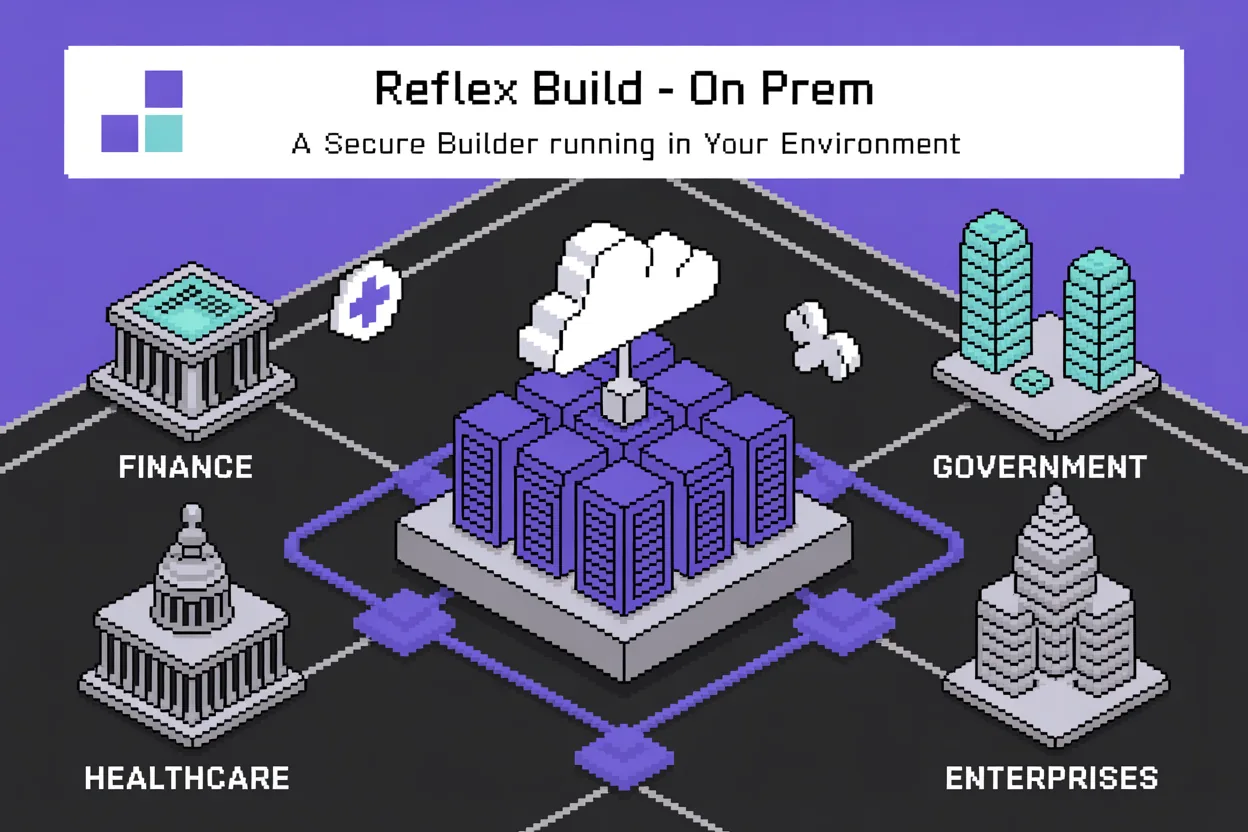
Reflex Build on-premises—an enterprise AI app builder for developing secure internal tools and dashboards using Python. Deploy inside your infrastructure.
Compare Reflex vs Retool vs Superblocks for internal tools in June 2026. Learn which open source or low-code builder offers true code ownership and flexibility.
Compare the best full-stack web app frameworks in May 2026. See how Reflex, Laravel, Rails, Next.js, and Django handle auth, ORM, and real-time features.
The reflex cloud deploy command now works against your own AWS, GCP, or Azure account.
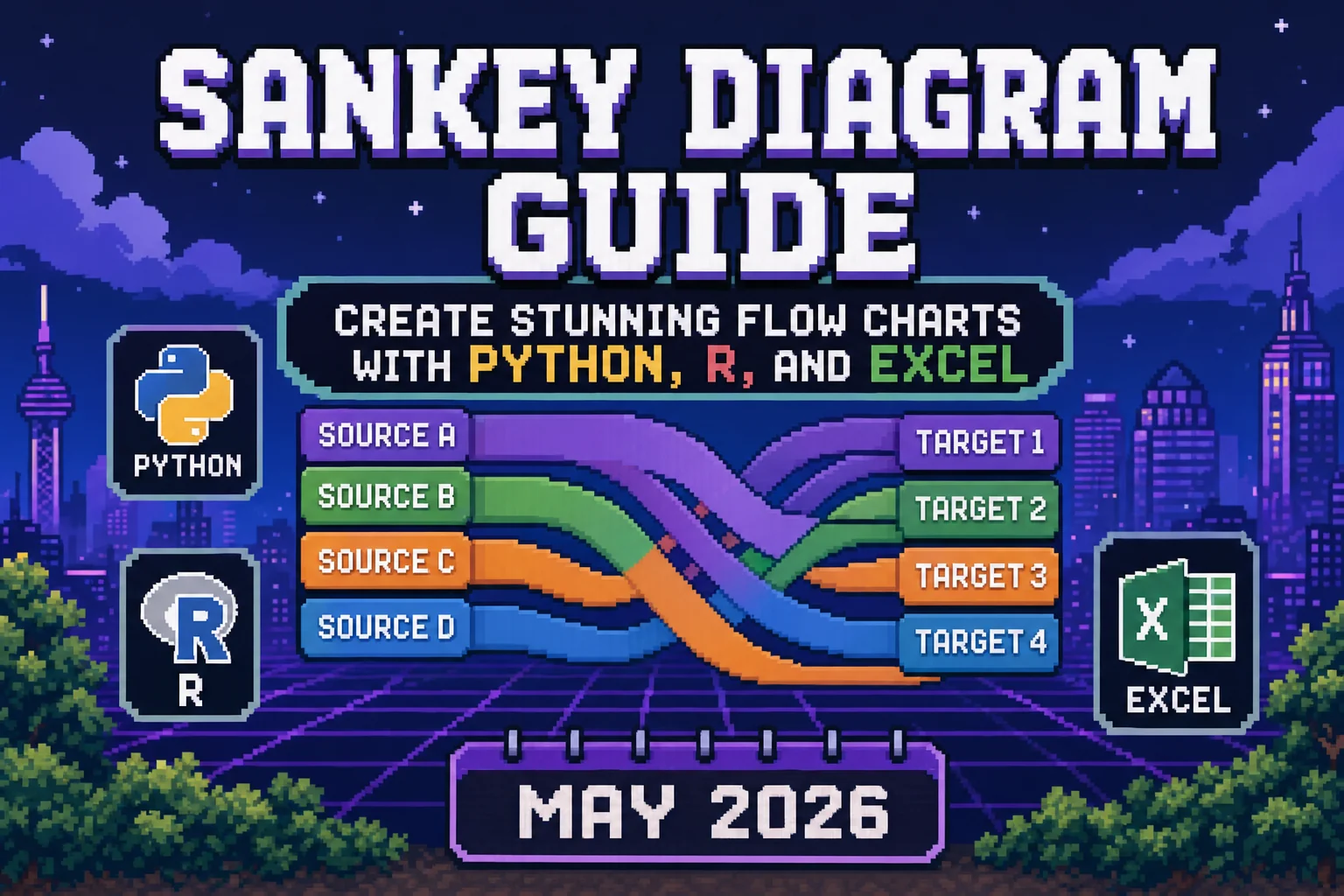
Make sankey diagram flows with Python, R, Excel. Sankey plot, sankey chart, and sankey graph examples with Plotly, networkD3. Complete guide for May 2026.
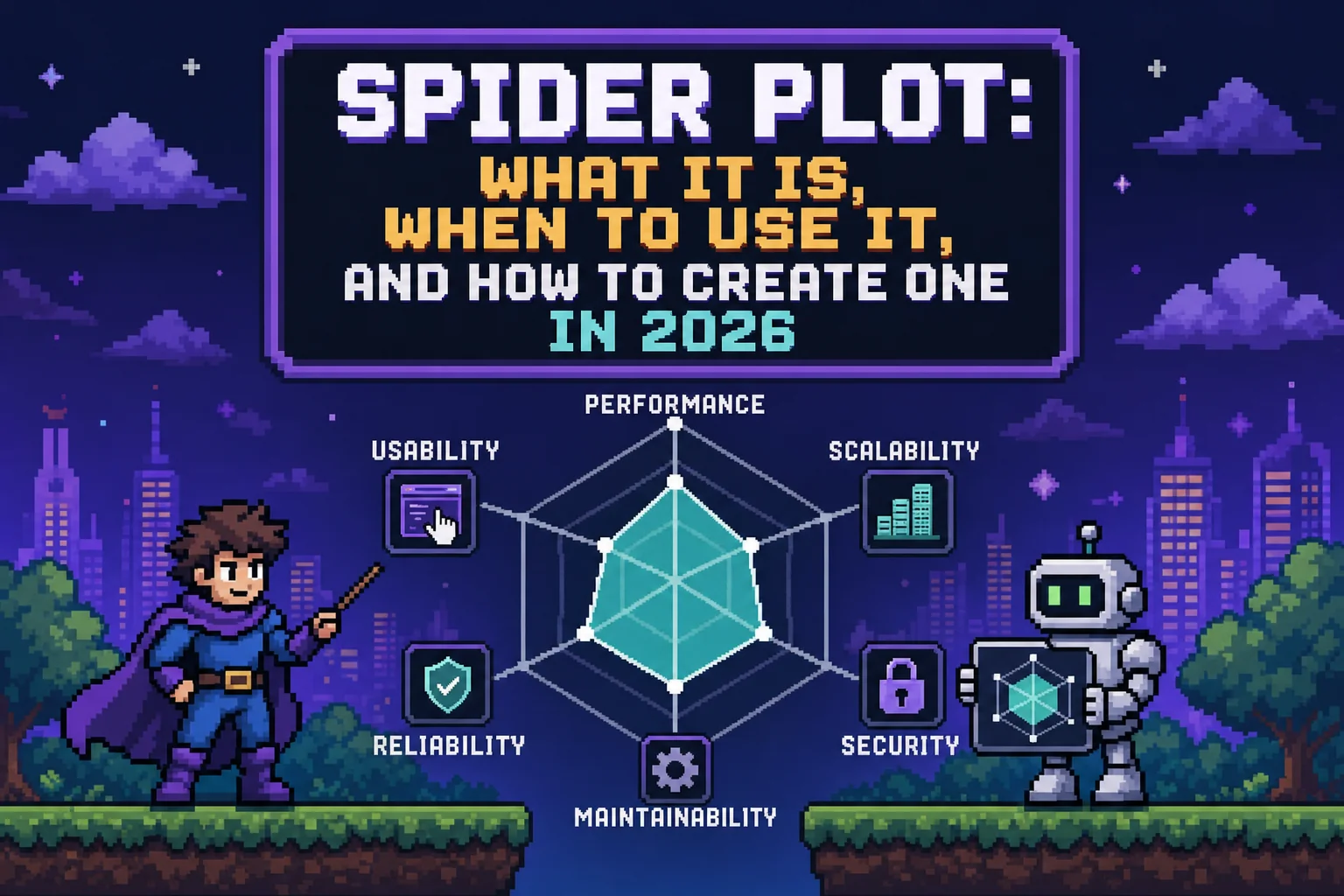
Learn what a spider plot is, when to use it, and how to create one in Python, Excel, R, and MATLAB. Complete guide with best practices for May 2026.
A step-by-step migration guide for upgrading your Reflex app to v0.9.0, covering the new optional database extra, single-port production builds, the auto-setter change, and removed APIs.
We benchmarked computer use against auto-generated API endpoints on the same admin panel. 53 steps and 551k tokens vs 8 calls and 12k tokens.
We benchmarked browser-use vision agents against auto-generated API endpoints on the same Reflex app. 47 steps and 495k tokens vs 8 calls and 12k tokens.
Compare the best business intelligence BI tools and business analytics software in 2026. See which options handle KPI dashboards, CRUD operations, and full application development.
Learn how to build a chat app with LLM in Python with streaming, RAG, and production interfaces. Complete implementation guide for April 2026.
Compare the best web frameworks for AI generated code in April 2026. Reflex, Flask, Django, and FastAPI ranked by token usage, readability, and maintainability.
Top 7 Flask alternatives for April 2026. Compare web framework Python options to build apps using Python for interactive websites without JavaScript. Full comparison guide.
Learn how to build production dashboards in pure Python without JavaScript using Reflex. Real-time updates, 60+ components, one-command deploy. April 2026.
Compare Django, Flask, and Reflex for full-stack Python development. See performance, features, and use cases for each framework in April 2026.
Streamlit vs. Dash for Python dashboards: Compare script reruns vs. callbacks, performance, and production features.
Learn what 'enterprise-ready' actually means for AI app builders in March 2026: security, compliance, deployment options, RBAC, and maintainable code requirements.
Set up your environment, build UI in Python, manage state, connect a database, and deploy with Reflex—full-stack web apps without writing JavaScript.
Learn how to create complete admin panels with forms, tables, authentication, and business process automation using Python alone—without switching to JavaScript.
A comprehensive comparison of Reflex, Django, Flask, Gradio, Streamlit, Dash, and FastAPI—the top Python web frameworks in 2026 for full-stack and data apps.
Compare Reflex.build, Microsoft Power Apps, Superblocks, Blaze.tech, Knack, Lovable.dev, and Replit Agent for enterprise AI app development in 2026.
Convert Jupyter notebooks into production-ready dashboards with Reflex. Keep your pandas logic, add UI components, and deploy.
A head-to-head comparison of Reflex and Streamlit for building fast, interactive web apps. Compare architecture, use cases, and when to choose each framework.
Major improvements in Reflex v0.8.0—2-3x faster builds with Vite and Rolldown, 18% faster components with our Pydantic replacement, and reduced memory usage.
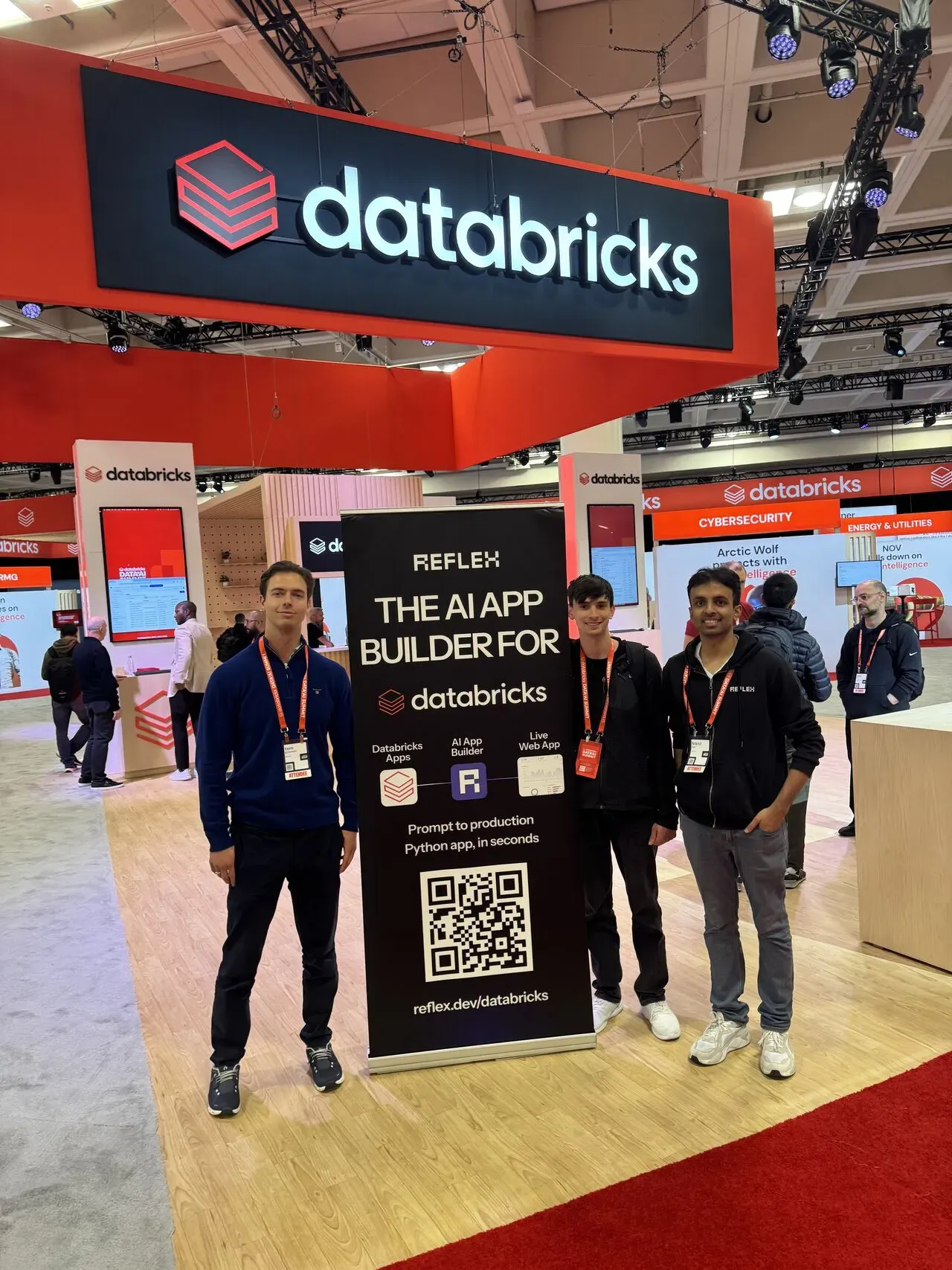
Announcing the Reflex and Databricks partnership. Build and deploy Python apps directly in Databricks with the AI Builder.
A detailed comparison of Reflex and Plotly Dash for building interactive financial dashboards. Compare performance, flexibility, and deployment options.
Compare Reflex, Retool, Budibase, Appsmith, ToolJet, Zapier Interfaces, Glide, Softr, DronaHQ, and Microsoft Power Apps for building internal tools in 2025.
Compare Reflex.build, Replit Agent, v0.dev, Bolt.new, and Lovable.dev for building AI-powered web apps. Find the best fit for your use case.
Compare Matplotlib, Seaborn, Plotly, Bokeh, Altair, GeoPandas, HoloViews, Pygal, Geoplotlib, and GGPlot—the top Python data visualization libraries for 2025.
Compare Reflex, Django, Flask, Gradio, Streamlit, Dash, and FastAPI for Python web development. Pick the right framework for your app.
Deploy your Reflex apps to the cloud with a single command. Reflex Cloud offers zero-config deployment, automatic scaling, and built-in observability.
Step-by-step guide to implementing Microsoft Azure Single Sign-On (SSO) authentication in your Reflex app. Integrate with Entra ID and enterprise auth.
Step-by-step guide to hosting Reflex apps on your own infrastructure using Docker. Learn containerization, orchestration, and deployment best practices.
Get started with AG Grid in Reflex for powerful, enterprise-grade data tables in your Python web apps. Sort, filter, and edit data with ease.
Explore new features and improvements in Reflex v0.6.0, including enhanced performance, better component APIs, and improved developer experience.
Explore the main uses of Reflex's Table component with a database. Build CRUD apps, data dashboards, and admin panels with Python-native tables.
Announcing the Reflex custom component ecosystem. Build and share reusable components, wrap React libraries, and extend Reflex with your own Python components.
So your Reflex app is getting large? Here's practical advice on project structure, organization, and layout patterns for scaling Python web apps.
A deep dive into how Reflex works under the hood—from reactive state management to compilation of Python components into React.
New features coming in Reflex v0.4.0—improved styling, better components, and enhanced developer experience. See what's new in this release.
Learn how to wrap a third-party auth component and integrate Google Sign-In into your Reflex app. Step-by-step guide with code examples.
Use Reflex's new core graphing feature to build a live streaming graphing app. Real-time charts, custom visualizations, and Python-native APIs.
Learn what background tasks are and how they help you build better Reflex apps. Run long-running jobs, send emails, and process data without blocking the UI.
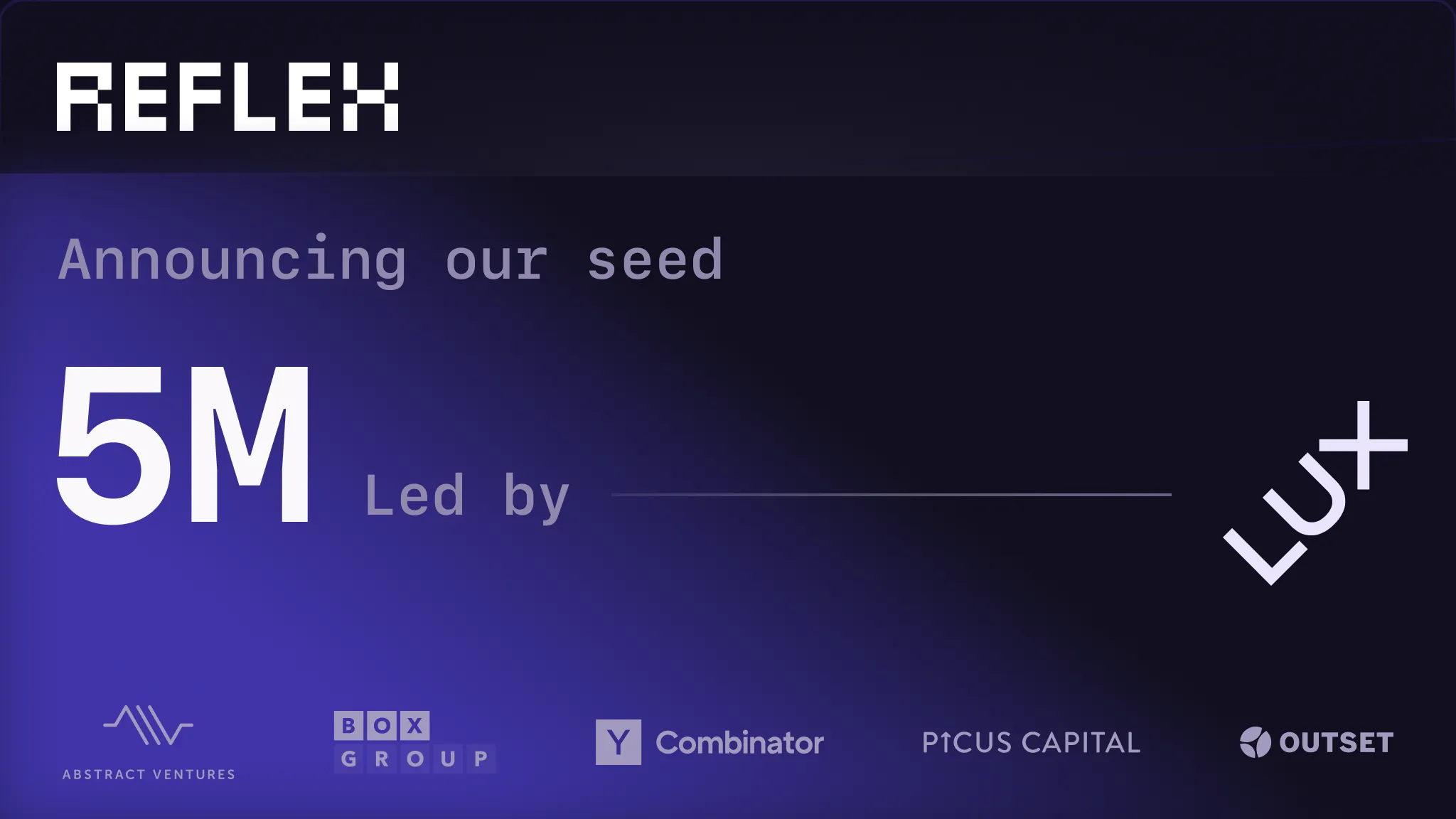
Reflex has raised a $5M seed round led by Lux Capital. Learn how we're building the future of Python web development and accelerating our platform.
Pynecone is now Reflex! The same great Python web framework with a new name and a bold vision for full-stack development.



 Alek Petuskey